







Search Results for: unified recipes
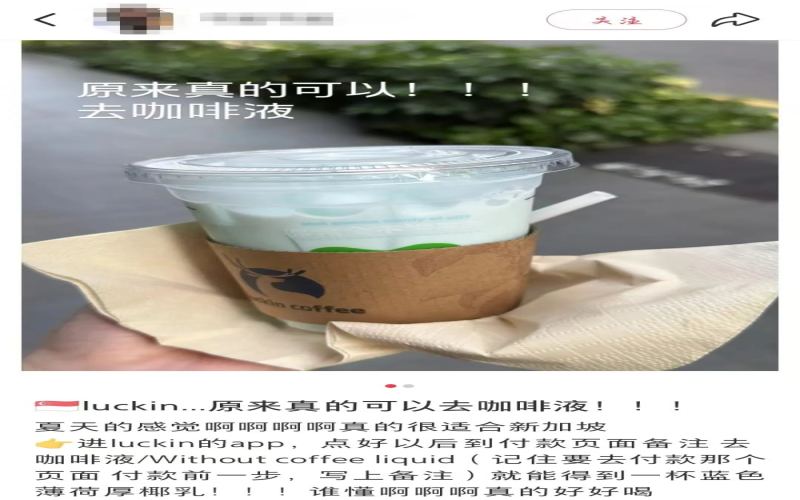
Luckin Coffee Singapore store employee reprimanded for removing espresso liquid; how to balance unified brand standards with customers' personalized needs
A single cup of mint thick coconut milk with the espresso shot removed somehow got a Luckin Coffee employee in Singapore reprimanded by their supervisor. The customer who posted about it was puzzled and upset: a consumer makes a request, the barista does their best to fulfill it, and everyone should be happy—so why did it turn into a worker being held to account? Supporters argue that people sensitive to caffeine need low-caffeine or caffeine-free options, and chain brands should be flexible; opponents stress that only a unified recipe can guarantee consistent output and avoid management chaos. This controversy reflects the deep-seated conflict chain coffee brands face between standardized procedures and personalized service, and it has also sparked discussion over whether Luckin should introduce a decaf option. [more…]
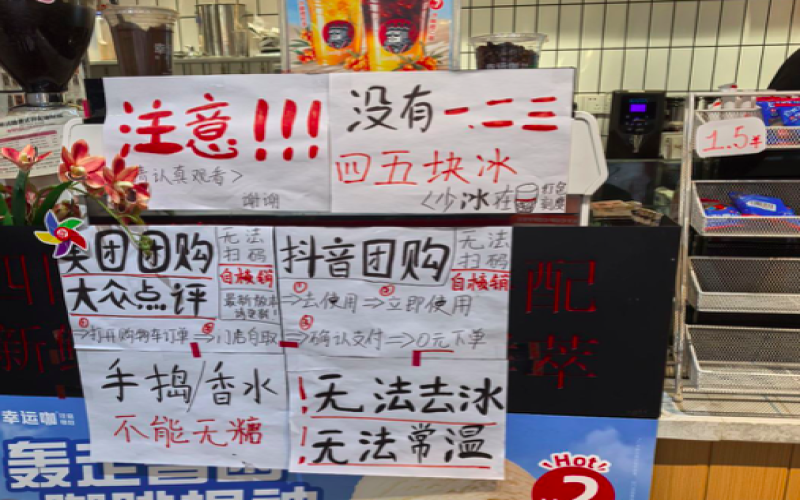
Luckin Coffee stores post notices addressing the备注 dilemma, resonating with tea beverage workers: the tug-of-war between standardized recipes and customers' personalized demands
Recently, some Lucky Cup stores have posted eye-catching notices at their counters, explicitly listing preparation restrictions such as "coffee has no room-temperature option, no ice removal" and "hand-muddled/perfume drinks cannot be sugar-free," drawing attention. In fact, similar friendly reminders appear at stores of multiple chain beverage brands, and staff members candidly admit: flexibly adjusting ice levels does not necessarily earn praise, but violating operating rules may lead to penalties. At the same time, some consumers give negative reviews due to changes in drink taste, putting frontline employees in a dilemma. This tug-of-war over formula standardization and personalized demands reflects the deep-seated contradiction in the chain beverage industry between unified output and accommodating consumer experience. [more…]

Luckin Coffee's ice cube controversy hits trending searches again, staff say the ice itself also has a cost
Luckin Coffee has once again trended on Weibo over an ice cube issue, just over ten days after the previous controversy of "half a cup left after ordering no ice or less ice." On March 25, a woman in Heze, Shandong Province, posted a video saying that a full-price Raw Coconut Latte she bought was gone after three or four sips, with nothing but ice left, sparking widespread resonance among netizens. Many netizens shared similar experiences, joking that "a cup of Luckin is half a cup of ice." A Jimu News reporter contacted the store involved, and an employee said that an iced Raw Coconut Latte itself is only half a cup, with the other half being ice, emphasizing that ice also costs money. Luckin customer service responded that the drink is made according to a unified recipe but did not directly address whether the amount of ice complies with regulations. This article will review the course of the incident and the responses from all parties. [more…]

Luckin Coffee's ice controversy sparks debate: after removing ice, the cup is half empty, bringing the issue of ice proportions in chain beverages to the surface
Recently, Luckin Coffee made it onto Weibo's trending topics because its iced drinks contained too much ice and the cup volume decreased noticeably after removing the ice, triggering widespread consumer concern about the proportion of ice in chain coffee and milk tea shops. Many netizens posted comparison photos showing that after removing the ice, only half a cup of the drink remained, with some even joking about "looking for the latte in the ice." Luckin officially responded that its drinks are made according to a standardized recipe and that it will strengthen store training. At the same time, other brands such as Starbucks were also accused of a similar phenomenon. This article sorts out the course of the incident, netizen feedback, and official responses, and also includes professional exchange information from Front Street Coffee. [more…]
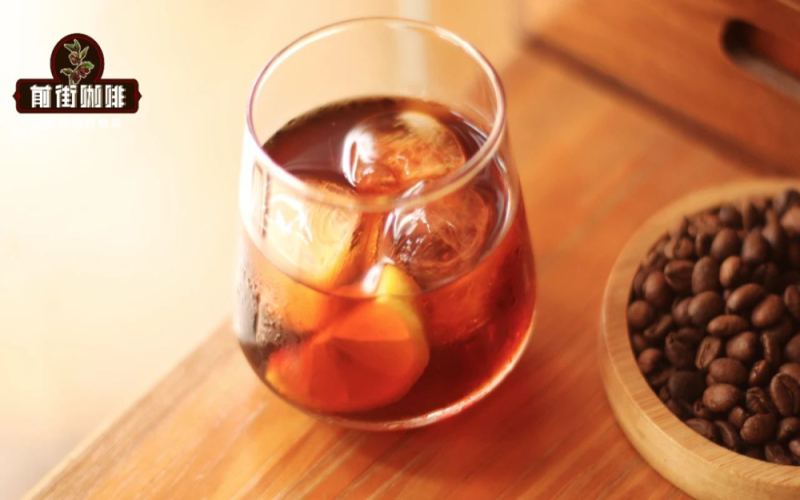
Coffee Grind Size Comparison Guide: A Detailed Explanation of EK43s Grind Setting Particle Sizes and Sieve Pass-Through Rates
Grind size is the key variable that determines the direction of coffee flavor, but how coarse counts as coarse and how fine counts as fine has always lacked a unified standard. This article uses the industry-recognized cupping grind as a baseline, and with the help of the passing rate through a No. 20 standard sieve, quantifies the grind requirements for French press, pour-over, cold brew, ice drip, and even espresso machines one by one, and also includes reference settings for the EK43s grinder. The article also specifically reminds readers that differences in coffee bean density and roast level will cause the same setting to produce different particle sizes, and finally provides Front Street Coffee's espresso extraction plan as a debugging example to help enthusiasts turn grinding from an empirical judgment into a reproducible data-driven operation. [more…]
A Complete Guide to Coffee Grind Sizes: Pour-Over, French Press, Cold Brew, and Espresso Standards Compared
Brewing a good cup of coffee makes grind size an unavoidable key variable. If the particles are too coarse, flavor extraction is insufficient; if ground too fine, it easily brings out bitter and off-flavors. But just how coarse counts as coarse, and how fine counts as fine? And how should you convert between different brewing devices? This article uses the industry-recognized cupping standard as its baseline and the No. 20 sieve pass-through rate as a unified ruler, providing reference grind ranges one by one for French press, pour-over, cold brew drip, and espresso machines, explaining how roast level and bean density affect grinding results, and finally including Front Street Coffee's approach to dialing in espresso extraction, helping you turn grind size from "guesswork" into "data." [more…]

American Coffee with Milk Rejected by Store? Inconsistent Statements from Manner Employees Confuse Consumers
A cup of Americano with a splash of milk—this seemingly trivial request has recently stirred up quite a commotion on social media. Some consumers report that after buying a hot Americano at a Manner outlet and asking for milk, they were flatly refused by the barista, even though the same request had never been a problem before. What's even more puzzling is that different stores and different employees give completely opposite answers—some say it's fine to add milk, while others explicitly say it's not allowed. Does the brand have a unified policy? Can consumers enjoy a consistent customization experience? This debate reflects the real tension between standardization and personalization faced by chain coffee brands. [more…]
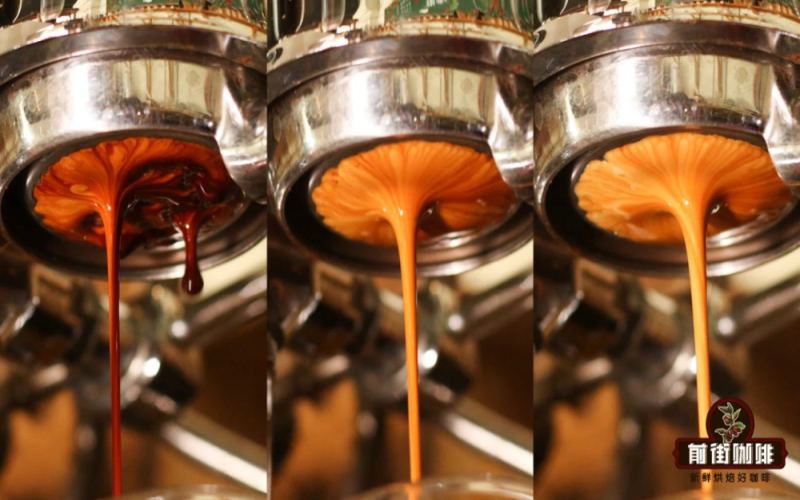
Front Street Coffee's Four Italian-Style Blend Beans Flavor Analysis: A Comprehensive Overview from Raw Blends and Roasted Blends to SOE and Classic Recipes
The development of espresso blends has undergone an evolution from traditional dark-roasted blends with Robusta beans to modern specialty blends. In this article, Front Street Coffee systematically sorts out the core logic of espresso blending: why blending is necessary, the respective advantages and disadvantages of blending green beans versus blending roasted beans, the rise and limitations of the SOE trend, and provides a detailed introduction to four representative espresso blend recipes—Front Street Specialty Blend, Front Street Commercial Espresso Blend, Front Street Dark Cocoa Blend, and Front Street Strawberry Candy Espresso Blend—covering the flavor characteristics and roasting approaches of beans from origins such as Colombia Huila, Brazil Cerrado, Yunnan AA, and Indonesia Mandheling, and finally attaching ratio instructions for espresso, latte, cappuccino, flat white, and other fancy coffee drinks, providing coffee enthusiasts and industry professionals with a complete framework for understanding blending. [more…]
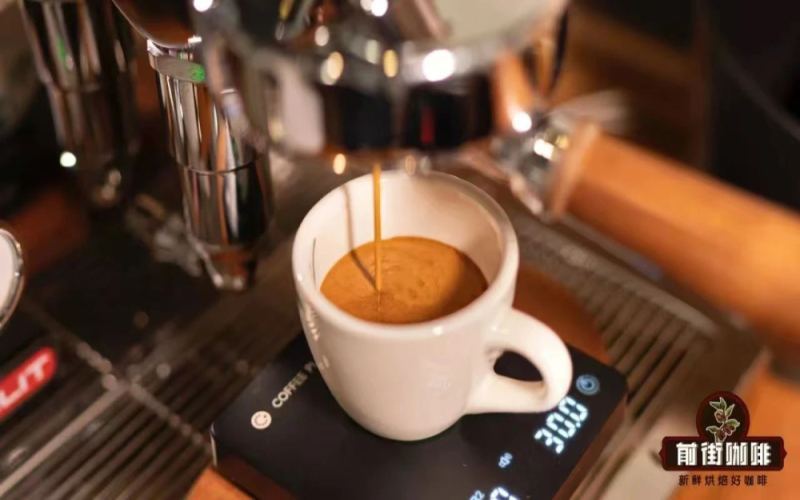
A Complete Guide to Espresso: Definition, Drinking Methods, and Italian Blend Bean Selection Guide
Espresso is the core foundation of the Italian coffee system and a required course for many coffee enthusiasts just starting out. From the perspective of Front Street Coffee, this article systematically sorts out the definition and extraction standards of Espresso, introduces three common ways of drinking it—straight, with milk, and with water—as well as the less common pairing with liqueur, and takes a deeper look at the origin and role of espresso blend coffee beans. The article also compares in detail the pros and cons of two blending methods, pre-blending and post-blending, and finally shares the flavor characteristics and recipes of Front Street's four espresso blends, including Sunflower Warm Sun, Specialty Blend, Commercial Blend, and Dark Cocoa Blend, helping readers gain a comprehensive understanding of the coffee knowledge behind Espresso. [more…]
A Complete Guide to Espresso Blend Coffee Beans: From Raw and Roasted Blending to Classic Recipes and Flavor Pairing
The essence of espresso often lies in the blend—skillfully combining coffee beans of different varieties or roast levels so that their flavors complement one another. This article systematically explains the two blending processes for blend beans (pre-roast blending and post-roast blending), the differences in resting time, and the three main approaches to blending coffee: using a base bean as the core, combining beans with opposite characteristics, and blending similar beans while adding distinctive flavors. It also provides classic espresso recipe ratios for three types—bright and acidic, balanced, and bitter-leaning—and mentions recommendations from the Front Street brand. Whether you are a coffee enthusiast or a professional, you can find practical blending inspiration here. [more…]
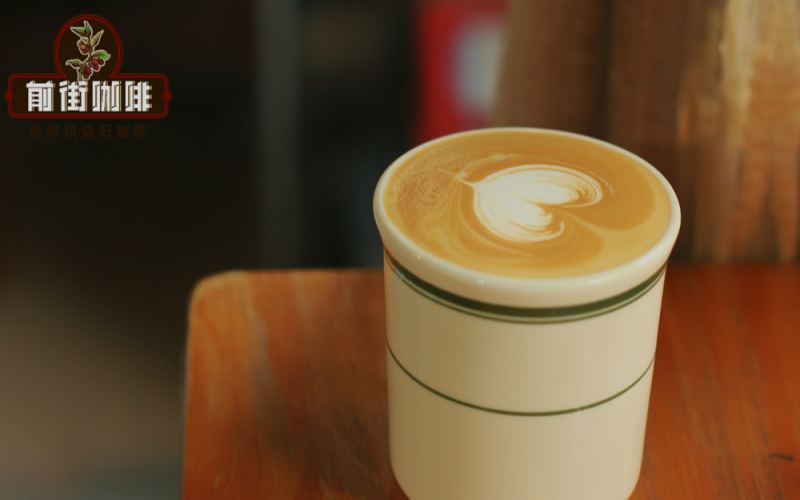
Australian White Coffee English Name Explained: A Comprehensive Comparison from Recipe to Flavor Differences with Latte
In coffee enthusiast circles, Flat White has always been a topic worth exploring in depth. It originated in Australia and New Zealand and is regarded as Oceania's localized evolution of the latte. Unlike the lattes and cappuccinos on Front Street Coffee's regular menu, the Flat White often exists as a hidden option. Starting from the English name of Flat White, this article will break down in detail its specific differences from a latte in cup size, espresso ratio, milk foam thickness, and flavor direction, and will also include Front Street Coffee's complete Flat White recipe and steps. Whether you want to understand exactly how a Flat White differs from a latte, or you want to recreate at home a cup of Flat White with thin milk foam and a prominent coffee flavor, you can find clear answers here. [more…]
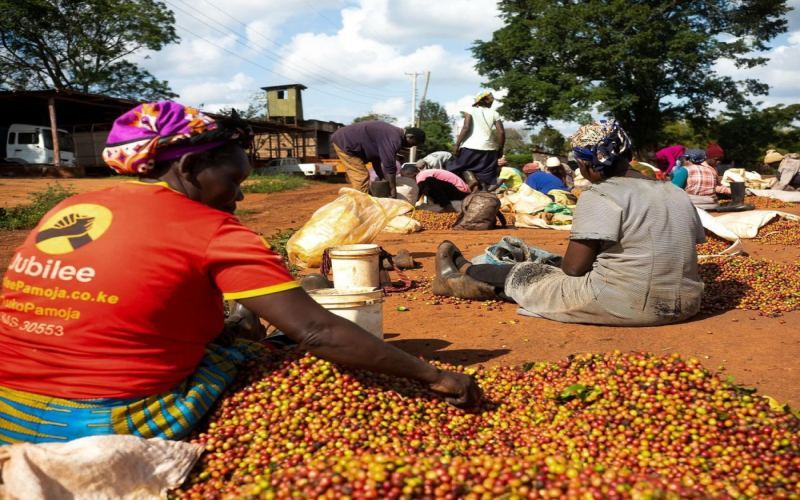
A Full Analysis of the Flavor Differences and Pour-Over Parameters of Three Kenyan Coffee Beans: A Comparative Review of Karogoto, Asaliya, and Haniya
Kenya, as a well-known coffee-producing country in Africa, is famous for its bright fruit acidity and rich aroma. Front Street Coffee currently has three Kenyan beans—Karogoto, Asali, and Hania—from the Nyeri and Kiambu Thika producing regions respectively, covering SL28/SL34 and French Mission Bourbon varieties, with processing methods ranging from K72 washed to refined natural. This article compares them one by one from producing region, altitude, variety, processing method, roasting curve to cupping flavor, and includes a unified pour-over extraction recipe, helping coffee lovers understand the stylistic differences among the three and find the one that suits their taste. [more…]
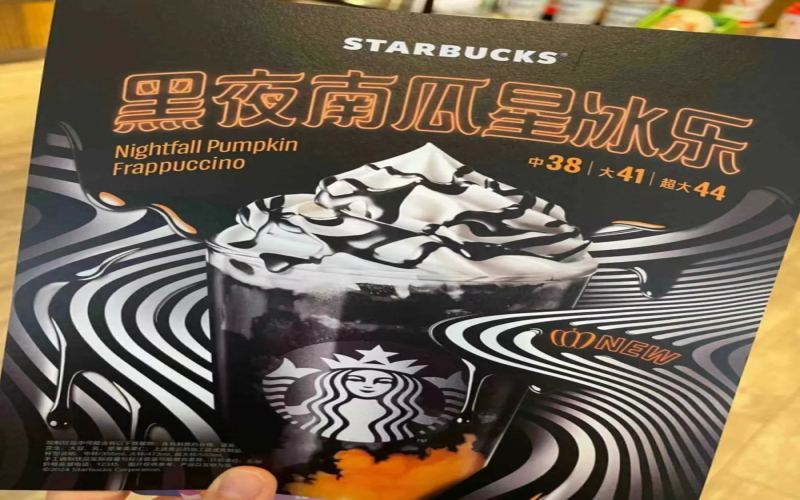
Starbucks Halloween New Release "Dark Pumpkin Frappuccino" Review: Bamboo Charcoal Black Caramel Recipe—Will Your Mouth Turn Black After Drinking?
As Halloween approaches, Starbucks has finally unveiled its limited-edition drink for the Chinese market this year—the "Dark Pumpkin Frappuccino" will land in stores nationwide on October 22. The entire drink is pitch black, jokingly dubbed by netizens as the literal embodiment of "dark cuisine." Where exactly does the black color of this drink come from? Does it taste as "dark" as it looks? Will your mouth turn black after drinking it? This article combines employee hands-on tests and consumer feedback from social platforms to answer these questions one by one. In addition, the article also mentions the "Concrete Frappuccino" previously launched in Hong Kong and Macau stores, as well as the overly sweet controversy surrounding the same product in the Japanese market last year, and includes relevant recommendations from the Front Street brand for coffee enthusiasts' reference. [more…]
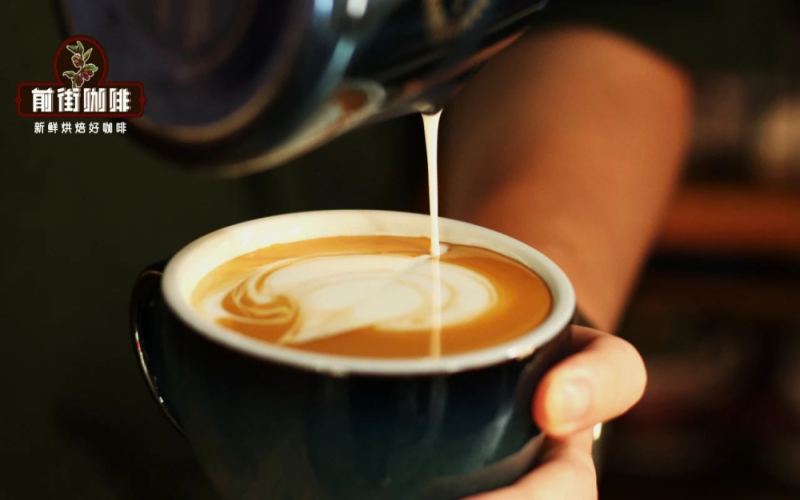
Latte Recipe | How to Make a Coffee Shop-Style Latte? What's the Right Espresso-to-Milk Ratio for a Latte? Which Coffee Beans Make a Delicious Latte?
For more specialty coffee knowledge, please follow the WeChat official account: Front Street Coffee (FrontStreet Coffee). Latte coffee is one of our most common coffee drinks. At Front Street Coffee (FrontStreet Coffee), latte coffee is also the most popular espresso [more…]
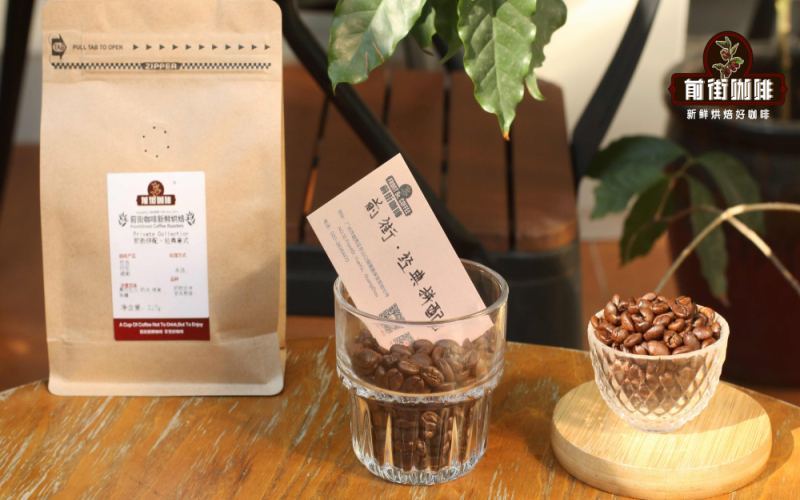
A Complete Guide to Espresso Blend Coffee Beans: Blending Principles, Raw-Roasted Blending Methods, Seasonal Recipes, and Brand Recommendations
Blended coffee beans are the flavor cornerstone of espresso, but there is a great deal of craft behind how to blend an outstanding shot. This article begins with the basic logic of blending: a good recipe must surpass any single-origin bean in the blend, and the number of bean varieties should ideally be kept to no more than five; it then analyzes the differences between the two processes of roasted blending and green blending, along with their respective resting times—3-4 days for green blending and about a week for roasted blending; next, it introduces the seasonal blending concept popular in the specialty coffee world, and uses the standout sweet Front Street Strawberry Candy espresso as an example to break down its composition of origins and processing methods; finally, it presents the cost-performance ledger of Guangzhou Front Street Coffee's commercial blend beans—less than 1.5 yuan per cup—providing a clear reference for your purchasing decision. [more…]
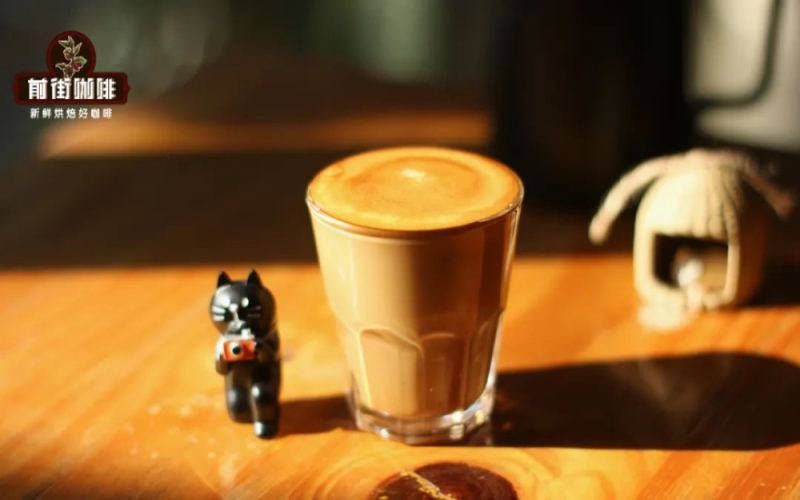
What is a Cortado coffee? From the Basque Country of Spain to the global evolution and preparation comparison of espresso milk coffees
Cortado is a mini espresso milk coffee originating from the Basque region of Spain, with a name derived from the Spanish word "cortar," meaning "to cut." It uses a small amount of steamed milk to "cut into" espresso, forming a classic ratio of 1:1 or 1:0.5, with a very small cup size, and typically without frothing the milk or retaining only an ultra-thin milk foam. As Cortado spread to Saudi Arabia, Costa Rica, Italy, Malaysia, and other places, local baristas continuously adjusted the recipe according to local tastes, giving rise to modified versions like Blue Bottle's Gibraltar and Cuba's Cortadito. In this article, Front Street Coffee breaks down the traditional characteristics of Cortado, its global variations, and compares its recipe and flavor with Piccolo coffee, helping coffee enthusiasts clarify the unique features of this lesser-known espresso coffee. [more…]

Italian-Style Blend Bean Recipe Ideas and the Complete Latte-Making Process: From Bean Selection to Milk Frothing Techniques
Why can an unsweetened latte still taste sweet? What secrets are hidden in Front Street's espresso blend beans? Starting from the formulation logic of espresso blends, this article will break down the flavor characteristics of Front Street Classic Blend and Strawberry Candy Espresso one by one, and explain in detail the trade-offs between pre-roast blending and post-roast blending, how to determine blending ratios, as well as the milk frothing temperature, frothing technique, and coffee-to-milk ratio for lattes. Whether you are a complete beginner or someone who wants to recreate a latte with a wine-scented finish at home, you can find actionable answers in this process. [more…]
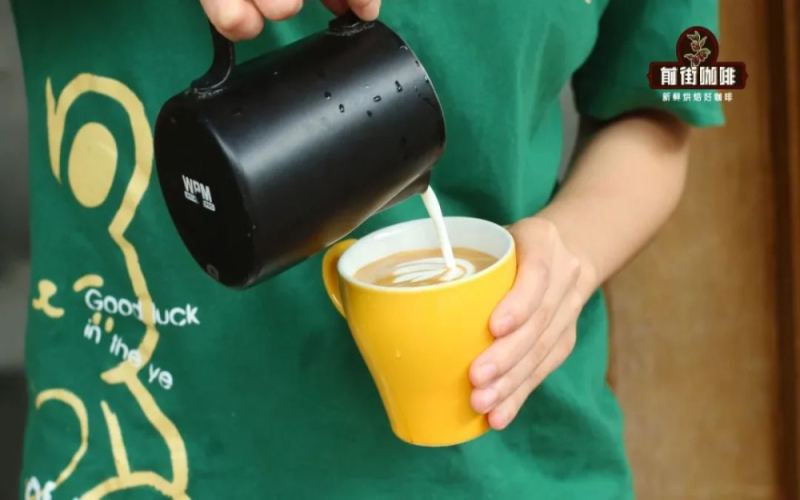
Exploring Melbourne Magic Coffee: The Origins, Recipe, and Comparison with Flat White and Piccolo of This Niche Milk Coffee
In Melbourne, there is a type of espresso milk coffee that spreads only by word of mouth and is almost never printed on menus—it's the Magic. This drink is said to have been born at St Ali cafe in South Melbourne, where local baristas treat it as a kind of code word to refer to a smaller-sized, rich hot milk coffee with no bitter aftertaste. Because it is extremely niche, baristas in many countries have never even heard of it, making it one of the most obscure milk coffees. This article will start with the origin, definition, and preparation of the Magic, and place it alongside the Piccolo and the Flat White, which also come from Oceania, comparing them one by one in terms of strength, milk foam thickness, cup size, and flavor performance, to help you thoroughly understand the charm of this hidden Australian-style coffee. [more…]

Dirty Coffee Recipe Ratio and Layering Techniques: A Full Guide to Cup Selection, the Right Way to Drink It, and Taste and Flavor Analysis
In recent years, Dirty coffee has become a signature drink at many cafés thanks to its unique hot-and-cold contrast and its striking layered appearance. Its top layer is warm espresso and its bottom layer is iced milk; there is no need to stir, and only by taking a big sip can you experience the distinct changes in flavor between layers. Starting from the origin and definition of Dirty, this article will explain in detail the mixing ratio, the key techniques for layering, the key points for choosing a cup, the correct way to drink it, and how to describe its taste, and will also explain how long it can be stored. At the same time, by combining the characteristics of three espresso coffee beans—Front Street Classic Blend, Specialty Blend, and Black Cocoa Base Blend—it will help you make a cup of Dirty that is excellent in color, aroma, and taste. [more…]
What Are Espresso Blend Coffee Beans? Understanding Blending Purposes, Classic Recipe Ratios, and Brand Recommendations in One Article
Blended coffee beans are the cornerstone of the espresso system. This article systematically reviews the definition and essence of coffee blends, analyzes the three major purposes of blending—stable flavor, balanced taste, and cost control—and provides three groups of beginner blending ratios: sour-leaning, conventional, and bitter-leaning, as well as six classic recipes: balanced, bitter, sour, aromatic, American, and heavy-bodied. It also summarizes the four blending principles: first set the base flavor, match complementary characteristics, control the number of bean varieties, and adjust ratios flexibly. At the end, it specially recommends the freshly roasted espresso blend beans from Front Street Coffee in Guangzhou, with a cost of less than 1.5 yuan per cup, offering outstanding value for money and worthy of reference for coffee enthusiasts and people opening shops. [more…]